
Hedge Accounting What Is It, IFRS-9, Example, Solutions
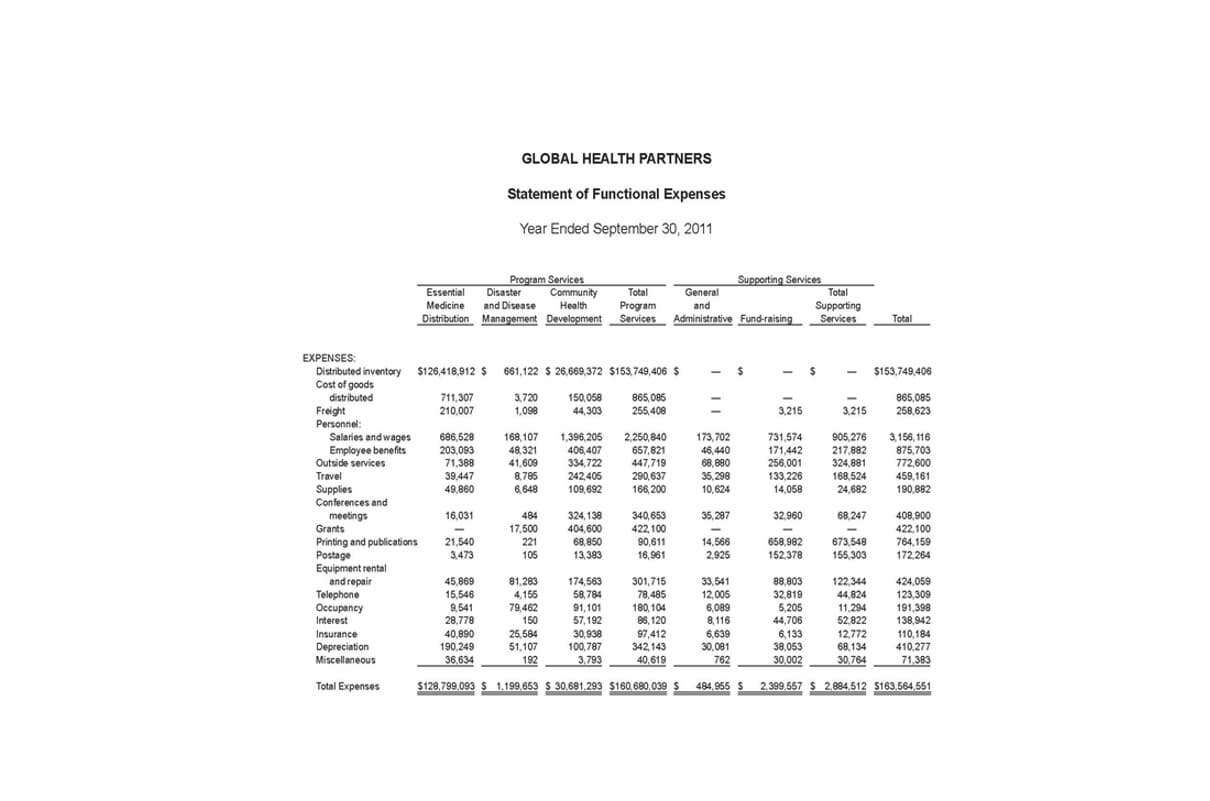
AI platforms build these directly from ledger entries and market inputs. That means disclosures are consistent with the accounting, not reconstructed in Excel in a time Suspense Account crunch. Each model ties derivative accounting back to the economics of the hedge.
Financial Consolidation & Reporting

Gains or losses from both the hedge and the hedged item are recorded in earnings in the same period, minimizing volatility. It allows the gains and losses from the hedge to be recognized in the same period as the gains and losses from the hedged item. This better aligns the accounting treatment with the company’s risk management strategy. By elucidating the purpose behind hedging activities, hedge accounting provides transparency into risk exposures and how companies use derivatives to mitigate threats. This helps analysts and investors better evaluate earnings, https://www.bookstime.com/ judge future cash flow stability, and assess the appropriateness of risk management practices.
What is hedging and hedge accounting?
Cash flow hedge accounting is used to reduce the risk of sudden changes in cash flows. This means that the item being hedged against is not the asset or liability itself. A firm commitment like accounts receivable is an example of what a cash flow hedge is used for. Should the income generated by this asset be stopped, then the cash flow will be interrupted as well. The historical roots of hedging can be traced back to hedge funds, which emerged in the late 1940s.
- For treasurers, mastering it is no longer a nice-to-have—it’s a core competency.
- Hedge accounting ensures that earnings volatility is reduced and financial information is more accurate.
- As interest rates change, the fair values of the bond and swap will fluctuate in opposite directions and offset each other in the income statement.
- Hedge accounting is an accounting method used to manage the volatility of financial statements by matching the financial effects of hedging instruments with the assets or liabilities they’re designed to protect.
- It lets you record changes in the swap’s value in a way that reflects the changes in your future loan payments.
- Hedge accounting is governed by stringent accounting standards that ensure only qualifying hedges receive favorable accounting treatment.
- Companies follow these rules so their financial reporting is clear and true-to-life.
Interest Rate Swap Accounting

Sometimes, assets are fixed-rate assets, meaning that the loss or gains are predictable. However, variable-rate assets are available as well, and often need hedging. The liabilities of companies can also change over time, meaning that more or less can be owed. Hedging protects companies from their liabilities becoming too large due to market changes.


He previously grew from scratch and led the M&A and Finance teams at Benitago, where he completed more than 12 acquisitions in 2 years. IFRS 9 and ASC 815 both allow three different hedge models, each tied to a specific kind of exposure. Hedge hedge accounting accounting can smooth earnings, but the mechanics create traps if the details aren’t managed.
- This means the hedge’s results can appear in the financial statements at a different time than the results of the underlying item it was meant to protect.
- When ineffectiveness is detected through testing, it must be measured and accounted for separately, which can create an additional accounting burden and impact reported earnings.
- When you’re using hedge accounting, there are three types that can be used.
- Hedge accounting can impact both OCI (Other Comprehensive Income) and P&L (Profit and Loss) accounts, depending on the nature of the hedge relationship and effectiveness assessment.
- Documentation, effectiveness testing, and compliance with applicable standards.
- In this blog, we will understand what is hedge accounting, its types, advantages, and related complexities.
For hedge accounting, businesses need to ensure that the hedging instrument and hedged item qualify the IFRS 9 criteria. As financial markets evolve and companies face increasingly complex risk exposures, hedge accounting standards will continue to adapt. With the move toward greater transparency and alignment with real-world risk management, both IFRS and US GAAP are expected to become more principle-based and flexible. This concept is especially important for companies with international operations, debt portfolios, or exposure to fluctuating raw material costs. When executed correctly, hedge accounting provides more meaningful financial reporting, reduces earnings volatility, and improves transparency for investors and regulators.